The EU Green Claims Directive Compliance Checklist [XLS]
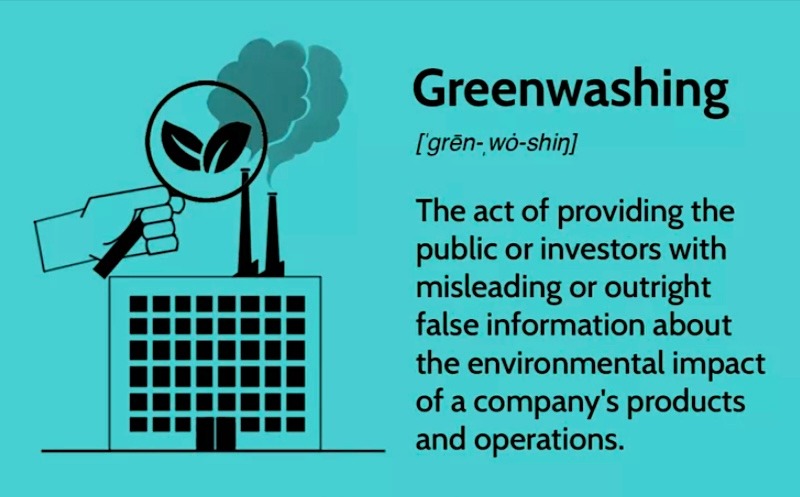
For companies selling consumer products, making an environmental claim is common. Ensuring that those claims stand up against scrutiny, however, is not. Regulators across the European Union are clamping down on sustainability claims used in consumer marketing. A lack of transparency has weakened consumer trust and made it harder for responsible companies to differentiate genuine environmental improvements from the misleading claims known as greenwashing.
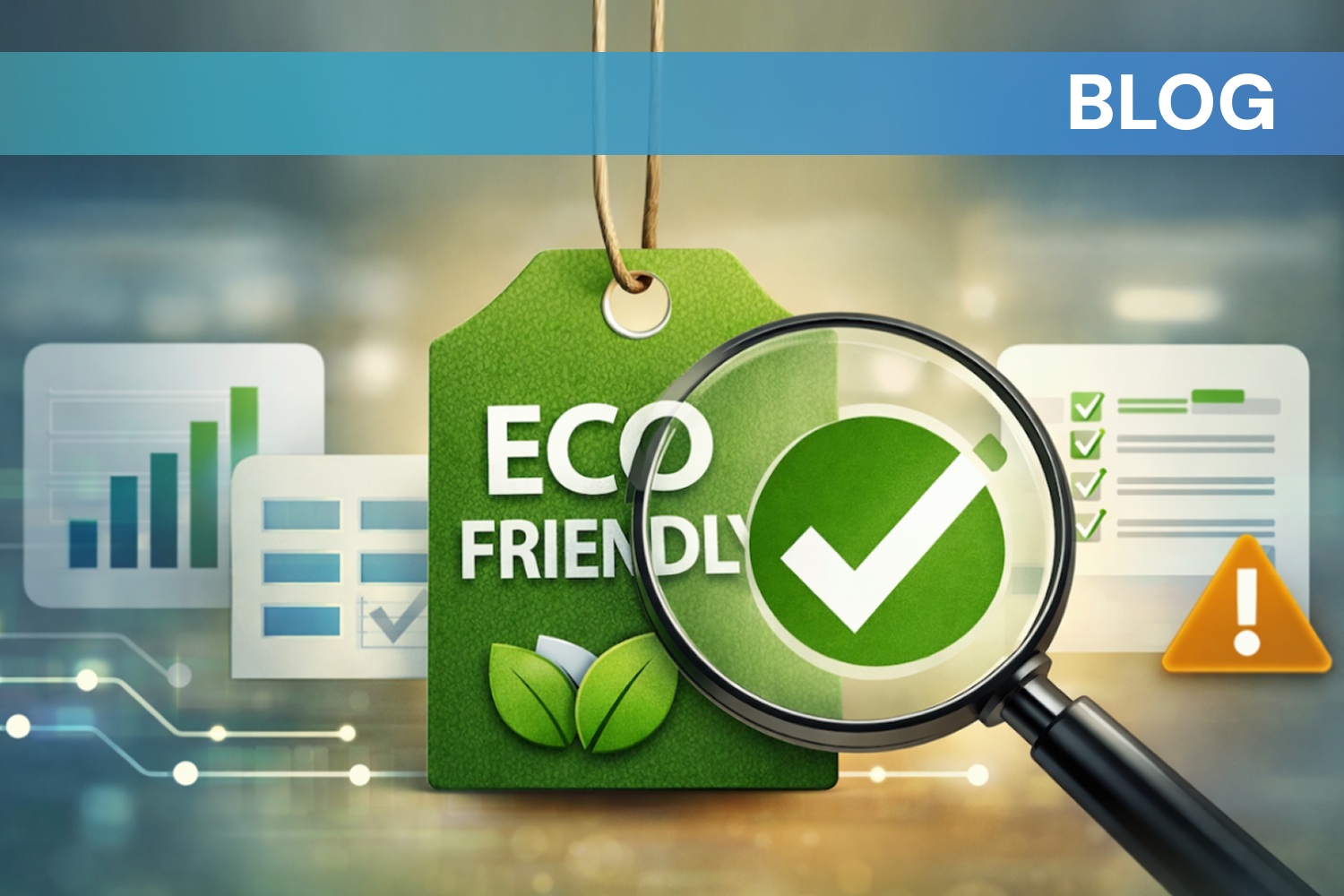

Recent studies have found that over 82% of products lack clear sustainability messaging. The EU Green Claims Directive is designed to address this credibility gap by verifying that voluntary environmental claims are reliable and evidence-backed. It introduces stricter substantiation and verification requirements, raising the standard for how sustainability claims are developed and communicated.
For companies developing physical products, those claims rarely originate in marketing alone. Environmental messaging often depends on materials, formulation, testing, and lifecycle data generated upstream in R&D. As a result, understanding how the EU Green Claims Directive affects documentation and data traceability is critical for innovation-first and sustainability-conscious organizations.
What is the EU Green Claims Directive?
The EU Green Claims Directive is a proposed European Union regulation designed to address the growing problem in consumer markets of greenwashing, which refers to giving consumers a misleading impression of a product’s or company’s environmental performance. The directive aims to strengthen consumer protection by requiring companies to substantiate environmental claims before communicating them to consumers.
In recent years, environmental claims have become a powerful marketing tool as companies compete to demonstrate their sustainability credentials. But 53% of green claims give vague, misleading or unfounded information. Under the new Claims Directive, businesses making voluntary explicit environmental claims about a product, service, or company must provide clear scientific evidence to third-party verifiers to support those claims.
The proposal is particularly focused on business-to-consumer (B2C) commercial practices. It will introduce stricter oversight of factors like environmental labelling schemes and transparent information about the methodology and data used to support each claim.
Failure to comply with the EU Green Claims Directive would lead to penalties for companies, such as fines, confiscation of revenues generated through misleading claims, and temporary exclusion from public procurement or public funding opportunities.
It’s worth noting that the European Council approved a general approach to this proposal in June 2024, but the proposal has been politically stalled. As of mid-2025, the proposal has faced political delays and remains under review. However, the underlying regulatory direction toward stricter anti-greenwashing enforcement across the European market is clear, with increasing scrutiny around sustainability claims and REACH and RoHS compliance.
Why is the EU Green Claims Directive important?
Sustainability claims have traditionally been treated as a marketing or communications issue for many organizations. The EU Green Claims Directive signals a shift away from that model as part of the broader green revolution in sustainable product development. It will raise the bar for the scrutiny of traceable, verifiable technical evidence before sustainability claims are communicated to consumers.
The directive will turn sustainability claims into a cross-functional responsibility. For example, R&D teams generate technical evidence and sustainability teams interpret environmental impacts. Then, product teams communicate claims to the market. Without clear data traceability across these functions, it becomes difficult to defend environmental claims under regulatory scrutiny.
R&D, sustainability, regulatory, and product leaders will not be able to rely on broad sustainability language or limited supporting data. They will need to connect each environmental claim to documented methodology, product-specific evidence, test results, and relevant lifecycle analysis.
In practice, alignment with the EU Green Claims Directive will require a stronger connection between marketing claims and the underlying materials, formulation, testing, and lifecycle data generated during product development.
As regulators increase enforcement against greenwashing, organizations that cannot clearly link sustainability messaging to credible product evidence face growing legal, reputational, and commercial risks.
Who does the EU Green Claims Directive apply to?
The proposed regulation applies to any company that voluntarily communicates explicit environmental claims about their products, services, or overall operations in B2C marketing.
The EU Green Claims Directive is particularly relevant for:
- Companies placing physical products on the EU market.
- Situations where environmental claims or labelling schemes are not already governed by other specific EU legislation.
- R&D, sustainability, regulatory, and product leaders who play a role in generating and validating the data used to support environmental claims.
These companies must comply with the directive’s substantiation, verification, transparency, and documentation requirements before making environmental claims.
6 Core Requirements for EU Green Claims Directive Compliance
Complying with the EU’s proposed anti-greenwashing directive takes place across six core requirements:
1. Substantiation
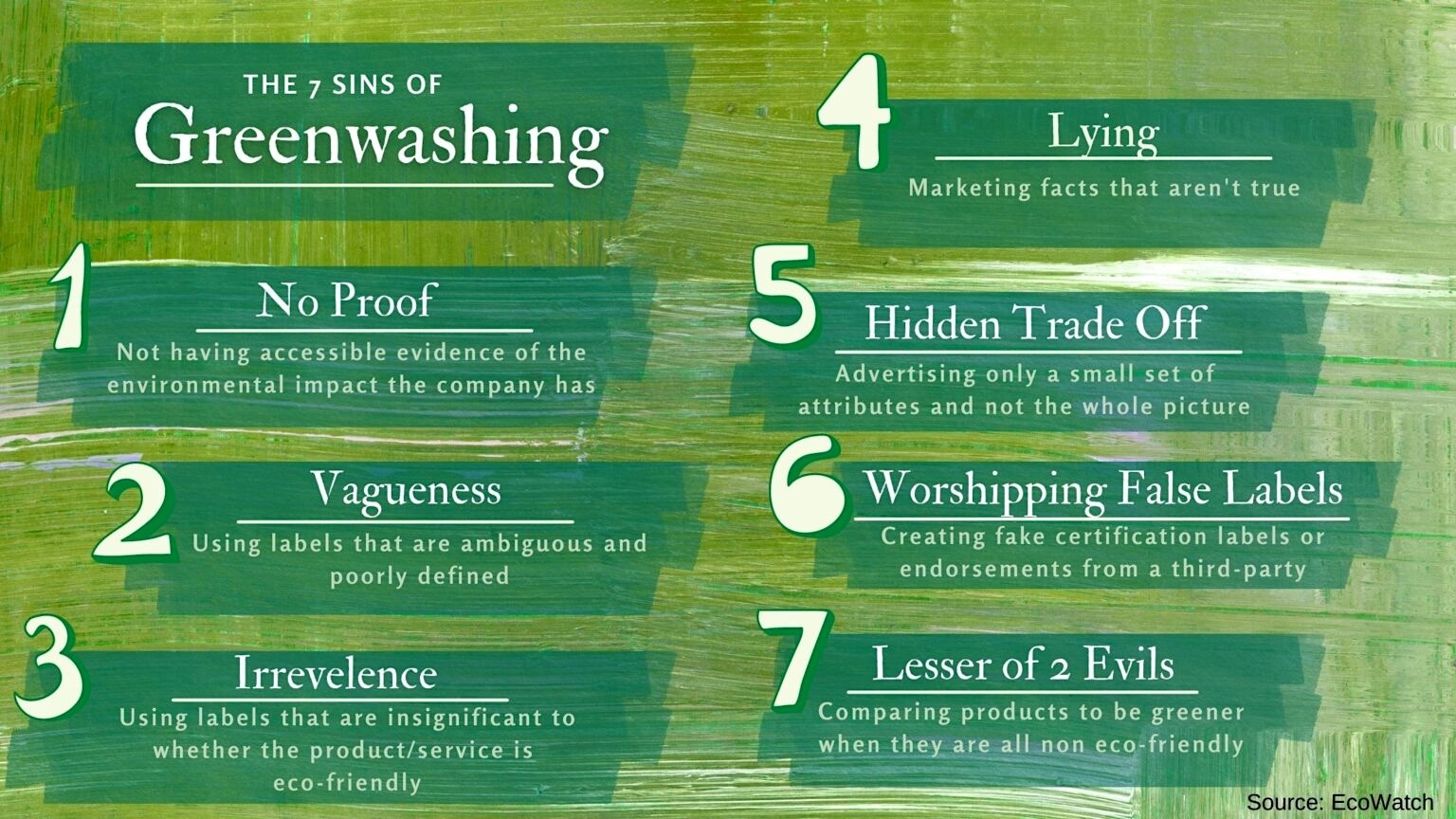
Claim substantiation is at the core of the EU Green Claims Directive. As every environmental claim must be backed by recognized scientific evidence, reliable data, and transparent methodology, companies will no longer be able to rely on unverified language.
For example, claims about reduced environmental impact may need to be supported by lifecycle assessments and validated testing data. Where a claim relates to future environmental performance, companies should be able to point to credible commitments and timelines.
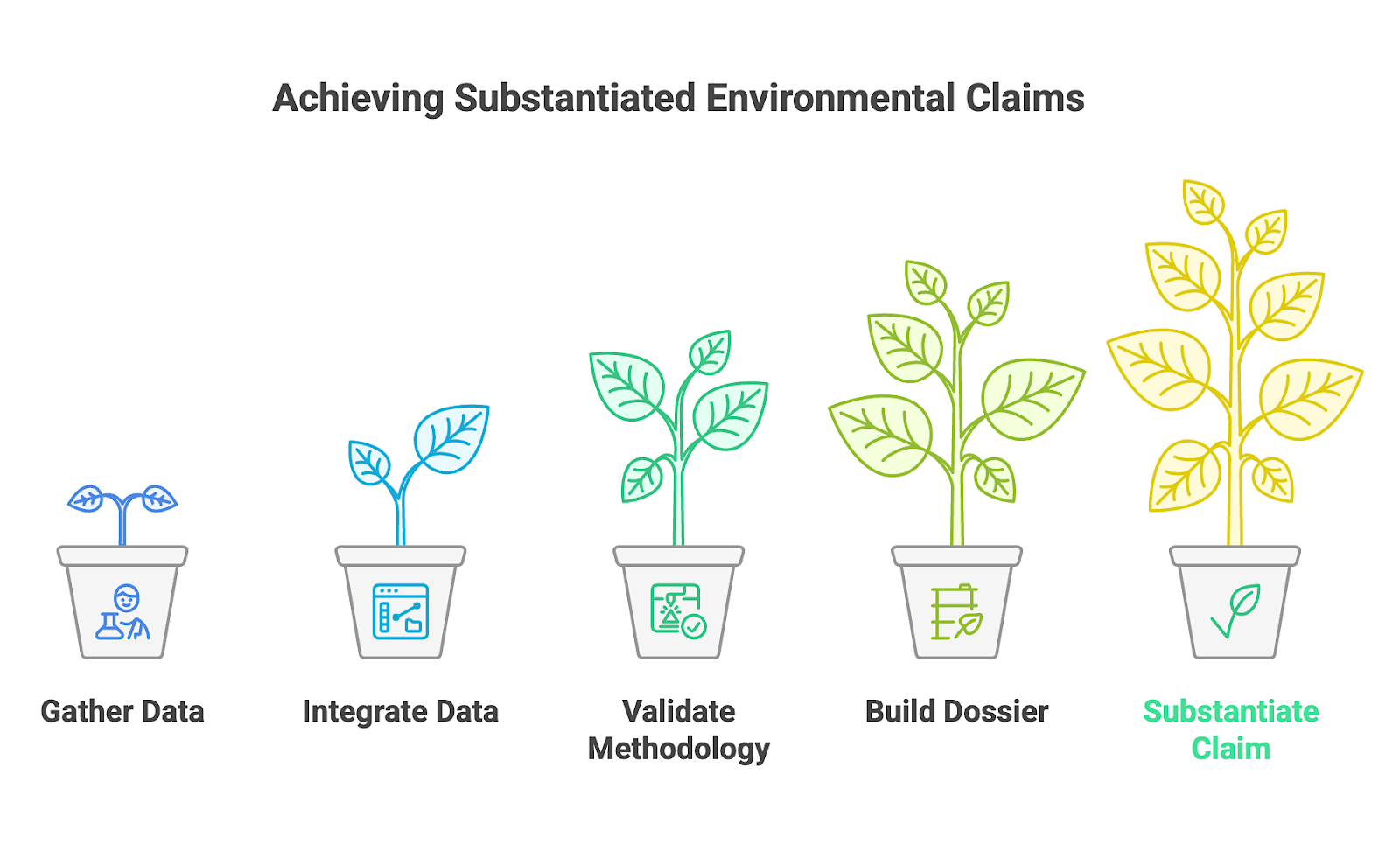
Each claim should be a defined technical output supported by a claim dossier, which should include relevant supporting evidence. Compiling a dossier will require integrating multiple data types, including:
- Formulation and bill of materials (BOM) data
- Supplier-level environmental data
- Process and manufacturing data
- Test or validation data
For materials-based products, substantiation depends heavily on data generated upstream in R&D. As a result, companies need systems that can link experimental data and process parameters to environmental performance outputs. You’ll need to validate that the data and methodology align with recognized standards such as ISO 14040/44 or other relevant lifecycle assessment frameworks to ensure robustness.
Companies will need structured approaches for managing this evidence and ensuring environmental claims are built on a defensible technical foundation. Using a materials informatics platform like MaterialsZone centralizes formulation, process, and test data in one traceable environment, making it easier to build substantiation files that are evidence-based and ready for review.
2. Lifecycle Consideration
The proposed legislation means companies can no longer ‘cherry pick’ by focusing on a single positive environmental attribute while ignoring other significant impacts associated with a product. Environmental claims must reflect a broader assessment of the product’s environmental footprint across relevant stages of its lifecycle.
This lifecycle perspective typically includes factors such as raw material sourcing, manufacturing processes, transportation, product use, and end-of-life outcomes, such as recyclability. The directive will require companies to consider consequences across all these stages and provide supporting methodologies like lifecycle assessments (LCAs) and materials data.
Best practices for this requirement include defining clear system boundaries (such as cradle-to-gate) and addressing burden shifting, which is where an improvement in one area masks a negative impact elsewhere. For instance, a reduction in carbon emissions must not come at the expense of increased material toxicity without disclosure.
3. Third-Party Verification
The shift to pre-market validation by a third party is designed to reduce the risk of misleading claims reaching consumers in the first place. The third party will be responsible for reviewing evidence and supporting documentation to confirm that the claim meets the directive’s substantiation requirements. All this needs to be done before the claim is made public.
The pre-market requirement means organizations will be under more pressure to prepare a verification-ready claim file outlining the details of the claim, from the scope and underlying datasets to the risk engineering behind the claim. As this data collection happens before market use, teams should embed it into internal workflows. For example, you can implement a defined approval process across R&D, sustainability, and regulatory functions.
Data traceability crops up as a recurring challenge here, as third-party verifiers will be expecting a clear audit trail linking the claim to product configurations and materials data. Structured, centralized data workflows put you in a strong position to complete verification quickly.
4. Transparency
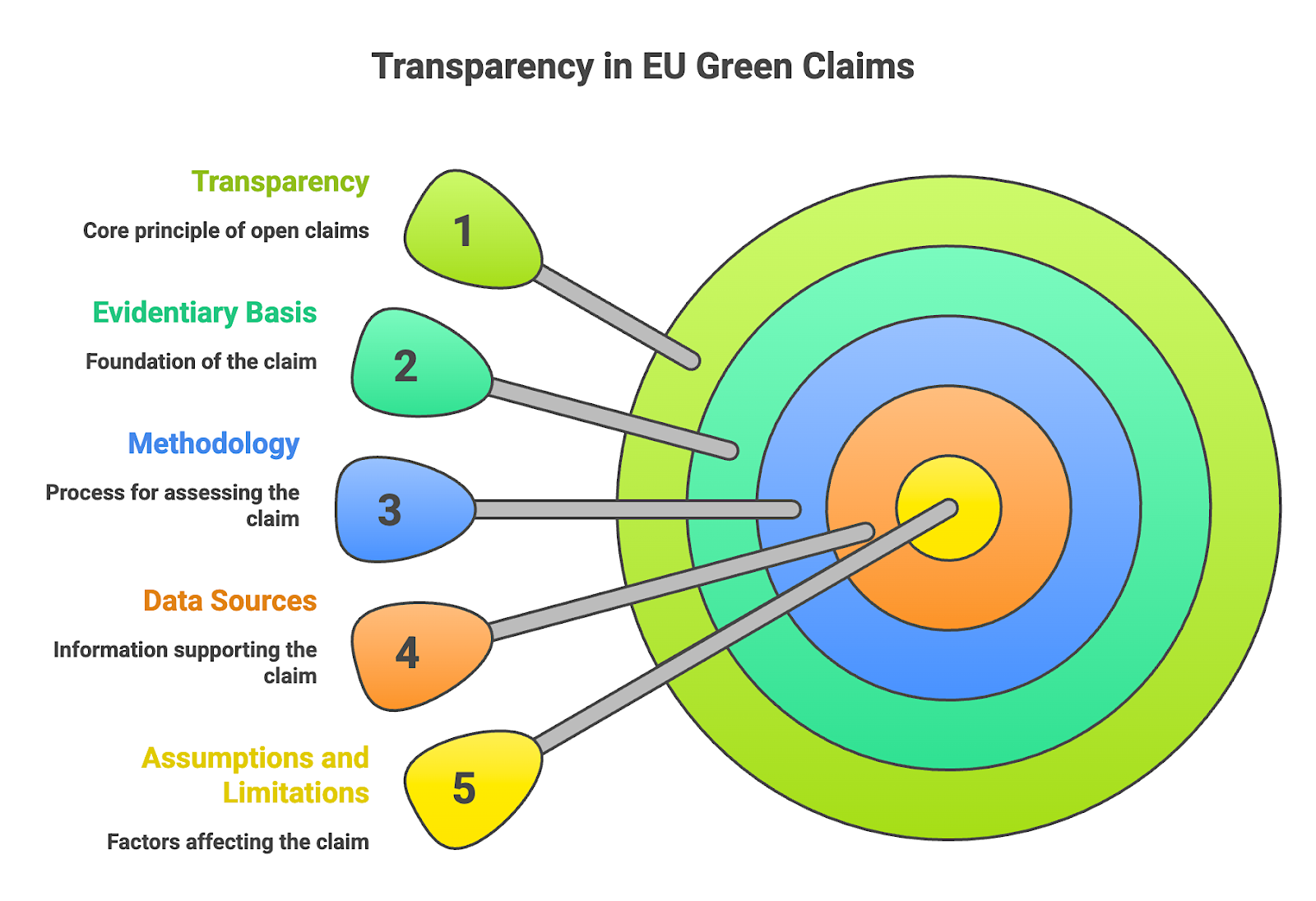
Under the EU Green Claims Directive, transparency is about making the full evidentiary basis of an environmental claim accessible, reviewable, and understandable to both regulators and consumers. In order to demonstrate how a claim was developed, what data supports it, and which methodology was used to assess it, you’ll need specific components in handIn order to demonstrate how a claim was developed, what data supports it, and which methodology was used to assess it.
Organizations must be able to provide the following:
- The exact scope of the claim
- The methodology used
- The data sources
- Any assumptions or limitations that materially affect the result
- A clear explanation of what the claim does and does not cover
- The results and interpretation that directly support the claim
That supporting layer should allow regulators and verifiers to trace the claim back to its underlying evidence without ambiguity. Additionally, claims should be version-controlled and linked to the specific dataset, methodology, and product configuration used at the time of assessment.
Of course, transparency becomes complex for organizations working with complex materials data, as it depends on having systems that can connect R&D, testing, and sustainability data to individual product claims. Systems that enable structured data management and traceability become especially valuable at this stage.
5. Accuracy and Specificity
Another factor that companies must consider to comply with the EU Green Claims Directive is the accuracy of the environmental claim against related evidence. For example, broad terminology like ‘eco-friendly’ will no longer be acceptable unless it is explicitly explained, scoped, and substantiated.
The best practice is to structure claims so they are precise, measurable, and technically defensible. A compliant claim should clearly state:
- What aspect of environmental performance is being addressed (e.g. carbon emissions analysis)
- The unit or metric used (e.g. % reduction in CO2e per unit)
- The scope of the claim (e.g. specific product)
- The reference point or baseline used for comparison (e.g. previous product version)
Let’s review another example scenario. The directive expects comparative claims to be made on a like-for-like basis. So, ‘30% lower carbon footprint’ must specify what it is being compared against, over what lifecycle stages, and using which calculation method.
Alignment between internal technical data and external communication also comes under the umbrella of accuracy. Claims must reflect the actual performance of the product as assessed, rather than any averages or estimated figures. If there is any variability, it should be accounted for in how the claim is defined and communicated by directly linking to validated datasets and controlled product configurations.
6. Documentation
Documentation forms the backbone of the EU Green Claims Directive. It will be crucial for enabling third-party verifiers to assess whether a claim has been properly substantiated and aligns with the directive’s requirements. A structured documentation framework should include clearly defined scope, methodology, data sources, assumptions, and supporting results.
All data should be version-controlled and time-stamped, with visibility into factors like the product configuration and formulation used. The problem is that documentation is often fragmented across various document management software and other R&D, quality, and sustainability systems for organizations managing complex materials and product data. A materials informatics solution is extremely valuable for linking documentation to product development workflows and creating a single source of truth for sustainability evidence.
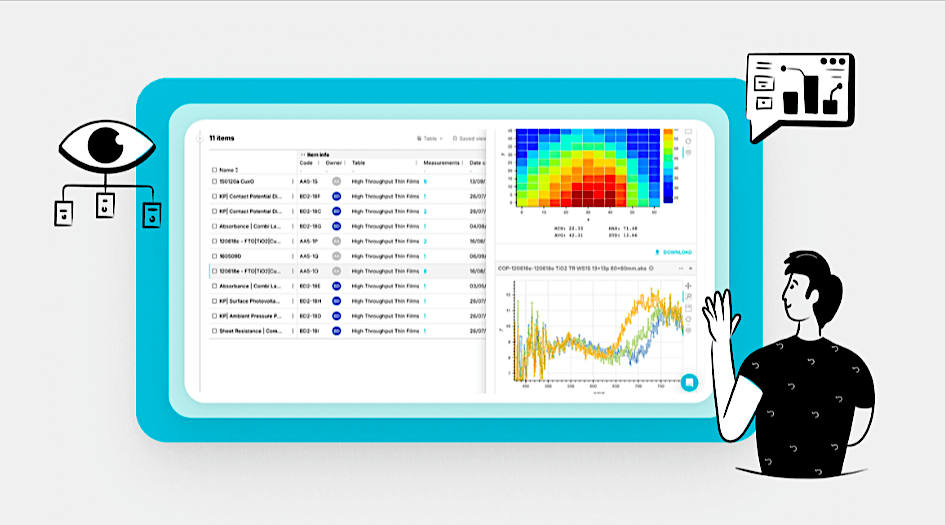
MaterialsZone’s platform enables teams to build structured, traceable documentation that supports defensible environmental claims and simplifies both verification and regulatory review. The Materials Knowledge Center and Collaboration Hub are particularly relevant when claim substantiation depends on inputs from multiple teams and data sources.
Preparing for Higher Standards in Environmental Claims
The EU Green Claims Directive is designed to address the clear and growing greenwashing problem: environmental claims that are misleading and unsubstantiated. Stricter expectations around third-party verification and documentation raise the standard for how sustainability claims must be developed and communicated.
In materials-driven industries, success under the EU Green Claims Directive will depend on the ability to connect environmental claims to the underlying product and materials data generated across R&D, testing, and production workflows.
MaterialsZone supports this transition by enabling AI-Guided R&D, helping you centralize and structure materials data and improve traceability across the entire innovation lifecycle. With its materials informatics platform, you can build a unified materials knowledge base for efficient cross-functional collaboration while connecting sustainability evidence to product development to support compliance with environmental and sustainability standards.
Download the EU Green Claims Directive Compliance Checklist to prepare for stricter environmental claim requirements and ensure you have a robust, audit-ready foundation.
Request a MaterialsZone demo to discover how the platform supports compliance efforts and accelerates your path to evidence-based sustainability.